No. 01 · Failure pattern
Governance Drift
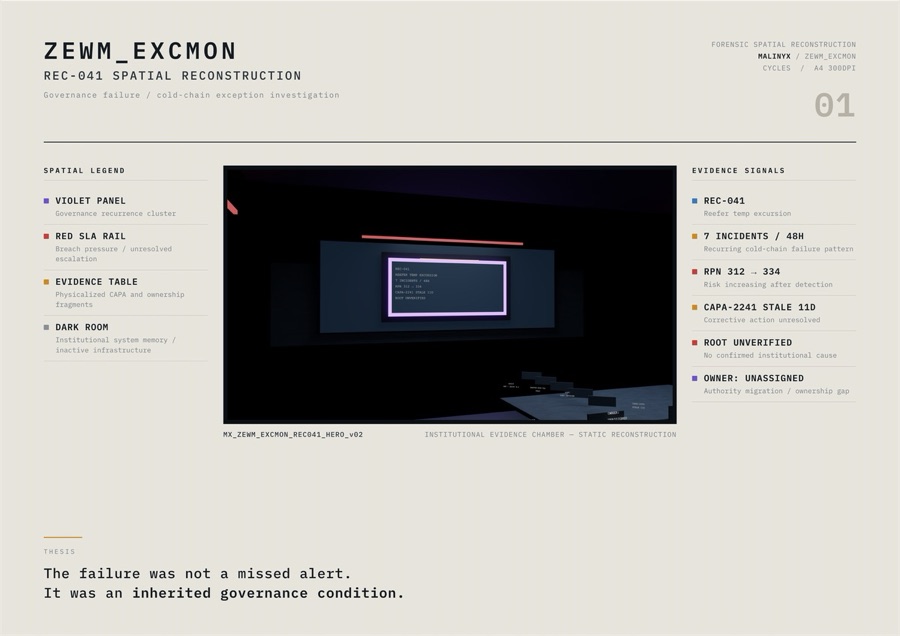
A system does not fail only when components break. It fails when ownership, documentation, and responsibility drift apart over time.
ZEWM_EXCMON
Research · Research archive
Small research fragments from forensic systems, industrial design, mechanisms, materials and visual evidence — principles, not results.
No. 01 · Failure pattern
A system does not fail only when components break. It fails when ownership, documentation, and responsibility drift apart over time.
ZEWM_EXCMON
No. 02 · Failure pattern
Responsibility can move informally through a system before official documentation catches up.
ZEWM_EXCMON
No. 03 · Failure pattern
A corrective and preventive action (CAPA) that remains open becomes evidence of unresolved institutional ownership.
ZEWM_EXCMON
No. 04 · Failure pattern
Inactive infrastructure can remain trusted long after it stops producing reliable operational truth.
ZEWM_EXCMON
No. 05 · Failure pattern
Human adaptation often keeps systems moving while hiding the failure from official trace.
ZEWM_EXCMON
No. 06 · Visual system
Operational evidence becomes weaker when it is forced into decorative interface patterns.
MALINYX
No. 07 · Mechanism note
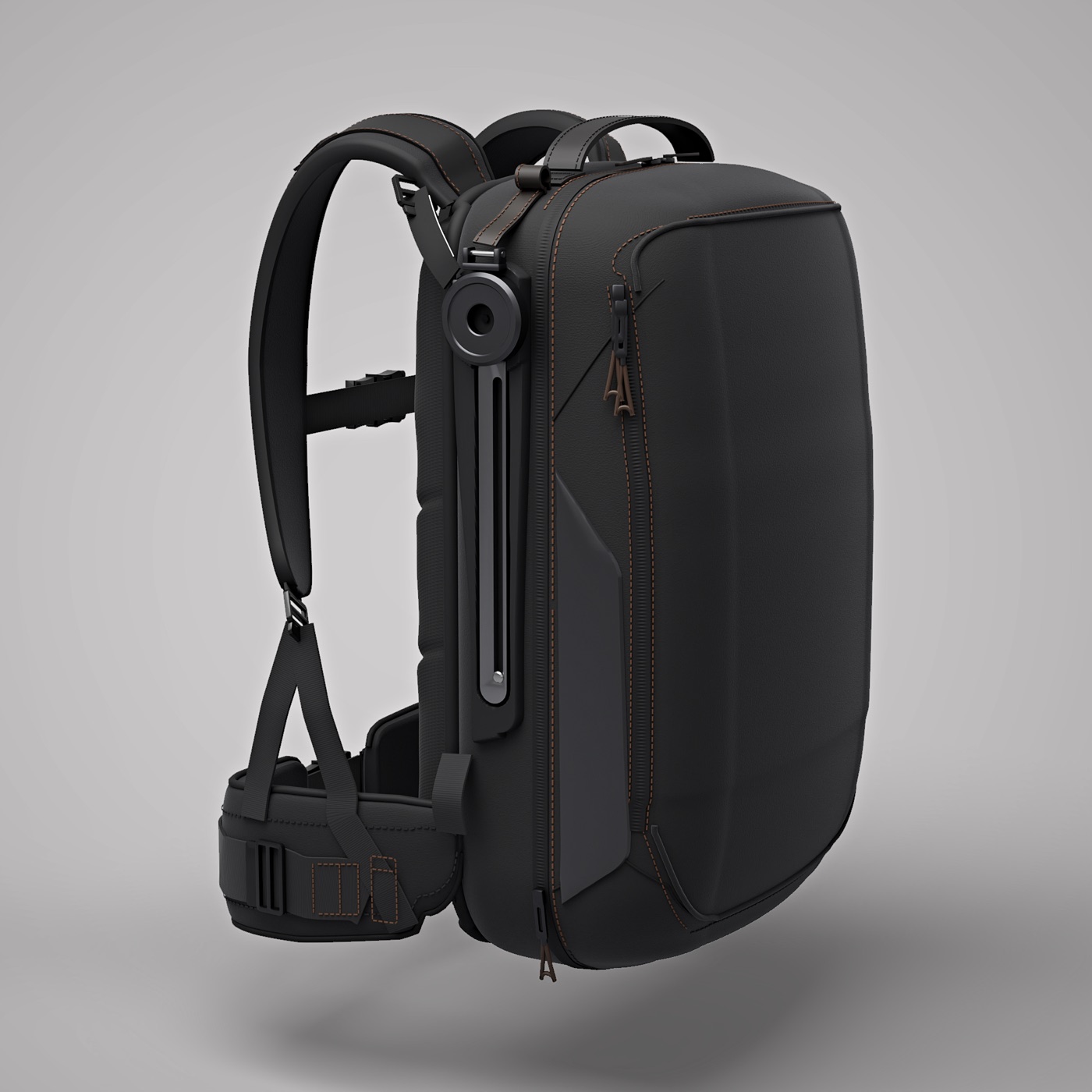
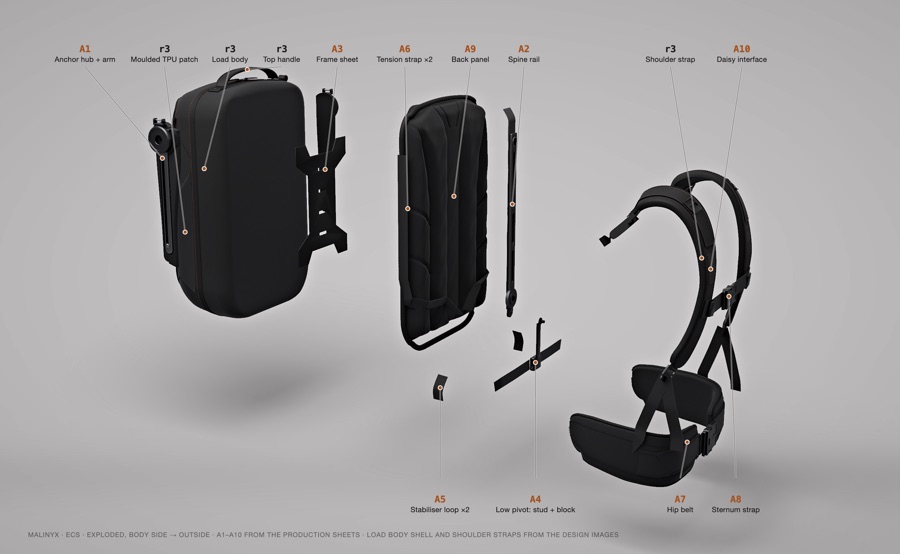
A carry system should control the load’s moment arm when the body changes posture.
ECS
No. 08 · Mechanism note
A quick-release mechanism can feel precise when axial compression removes play before locking.
LOCKPOINT
No. 09 · Research note
Creator bags often protect equipment well but slow down access during mode-switching.
CLX-CT-01
No. 10 · CMF note
Field equipment can read as professional without borrowing tactical or power-tool styling.
LOCKPOINT
No. 11 · Visual system
Colour should encode system meaning, not decorate the page.
ZEWM_EXCMON
No. 12 · Product principle
Wearable technology becomes more acceptable when the object remains jewellery before it becomes a device.
LUMNYX
Each note is one principle: a failure pattern, a material decision, a mechanism study, a colour rule, a trace of how a system behaves under pressure. Where its source has a public case, the note links to it.
They are principles, not results: none of the twelve carries test data.
No. 01 · Failure pattern
A system does not fail only when components break. It fails when ownership, documentation, and responsibility drift apart over time.
ZEWM_EXCMON →No. 02 · Failure pattern
Responsibility can move informally through a system before official documentation catches up.
ZEWM_EXCMON →No. 03 · Failure pattern
A corrective and preventive action (CAPA) that remains open becomes evidence of unresolved institutional ownership.
ZEWM_EXCMON →No. 04 · Failure pattern
Inactive infrastructure can remain trusted long after it stops producing reliable operational truth.
ZEWM_EXCMON →No. 05 · Failure pattern
Human adaptation often keeps systems moving while hiding the failure from official trace.
ZEWM_EXCMON →No. 06 · Visual system
Operational evidence becomes weaker when it is forced into decorative interface patterns.
MALINYX →No. 07 · Mechanism note
A carry system should control the load’s moment arm when the body changes posture.
ECS →No. 08 · Mechanism note
A quick-release mechanism can feel precise when axial compression removes play before locking.
LOCKPOINT · no public caseNo. 09 · Research note
Creator bags often protect equipment well but slow down access during mode-switching.
CLX-CT-01 →No. 10 · CMF note
Field equipment can read as professional without borrowing tactical or power-tool styling.
LOCKPOINT · no public caseNo. 11 · Visual system
Colour should encode system meaning, not decorate the page.
ZEWM_EXCMON →No. 12 · Product principle
Wearable technology becomes more acceptable when the object remains jewellery before it becomes a device.
LUMNYX · no public caseNext project · Industrial · Hair-styling tool
Handheld hair-styling tool with a three-lug bayonet attachment system